
全國熱線服務:
新聞資訊 Top label
- Welding Process Selection For Custom Fabrication: MIG, TIG, SMAW, And Laser Compared
- Internal Cylindrical Grinding Machines: Key Benefits, Applications and Modern Innovations
- ICU Beds: A Detailed Explanation Of Critical Care Core Equipment (Types, Characteristics, And Usage Guidelines)
- Locking Compression Plate (LCP): Engineering & Clinical Guide
- The Complete Guide to Galvanized Welded Air Ducts in Modern HVAC Systems
- The Complete Guide to Cold Drawn Tubes: Precision Engineering for Modern Industries
High precision cold drawn tube
當前位置:首頁 > Product Center > High precision cold drawn tube >
High precision cold drawn tube
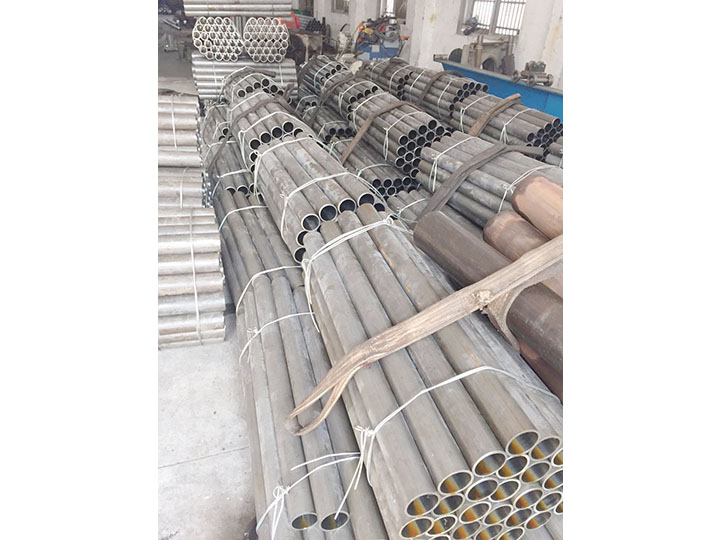
Factors that increase the cold brittleness of cold-rolled precision bright steel pipes include:
1. Solid solution strengthening elements. Phosphorus increases the toughness-to-brittleness transition temperature most strongly; there are also molybdenum, titanium and vanadium; elements that have little effect when the content is low but increase the toughness-to-brittleness transition temperature when the content is high include silicon, chromium and copper; elements that lower the toughness-to-brittleness transition temperature include nickel, and manganese that first lowers and then increases the toughness-to-brittleness transition temperature.
2. Elements that form the second phase. The most important element in increasing the cold brittleness of cold-rolled precision bright steel pipes in the second phase is carbon. As the carbon content in cold-rolled precision bright steel pipes increases, the pearlite content in cold-rolled precision bright steel pipes increases. On average, for every 1% increase in pearlite volume, the toughness-brittleness transition temperature increases by an average of 2.2°C. Adding micro-alloying elements such as titanium, niobium and vanadium forms dispersed nitrides or carbonitrides, causing the toughness-brittleness transition temperature of cold-rolled precision bright steel pipes to increase.
3. The grain size affects the toughness-to-brittleness transition temperature. As the grains coarsen, the toughness-to-brittleness transition temperature increases. Refining the grains reduces the cold brittleness tendency of cold-rolled precision bright steel pipes, which is a widely used method.
1. Solid solution strengthening elements. Phosphorus increases the toughness-to-brittleness transition temperature most strongly; there are also molybdenum, titanium and vanadium; elements that have little effect when the content is low but increase the toughness-to-brittleness transition temperature when the content is high include silicon, chromium and copper; elements that lower the toughness-to-brittleness transition temperature include nickel, and manganese that first lowers and then increases the toughness-to-brittleness transition temperature.
2. Elements that form the second phase. The most important element in increasing the cold brittleness of cold-rolled precision bright steel pipes in the second phase is carbon. As the carbon content in cold-rolled precision bright steel pipes increases, the pearlite content in cold-rolled precision bright steel pipes increases. On average, for every 1% increase in pearlite volume, the toughness-brittleness transition temperature increases by an average of 2.2°C. Adding micro-alloying elements such as titanium, niobium and vanadium forms dispersed nitrides or carbonitrides, causing the toughness-brittleness transition temperature of cold-rolled precision bright steel pipes to increase.
3. The grain size affects the toughness-to-brittleness transition temperature. As the grains coarsen, the toughness-to-brittleness transition temperature increases. Refining the grains reduces the cold brittleness tendency of cold-rolled precision bright steel pipes, which is a widely used method.