
全國熱線服務:
- Understanding Pressure Transducers: Technical Principles, Applications, and Selection Guide
- Fiberglass Composite Air Ducts: Revolutionizing Modern HVAC Systems
- Fiberglass Composite Air Ducts: Revolutionizing Modern HVAC Systems
- The Complete Guide to Honed Tubes: Precision Engineering for Modern Industry
- Digital pH Sensors: Revolutionizing Industrial Process Control and Environmental Monitoring
- Precision Gas Flow Meters And Mass Flow Controllers: The Ultimate Guide To Technology Selection, Calibration, And Application Optimization For Semiconductor, Pharmaceutical, And Research Processes
How to solve the problem of surface decarburization of high-precision cold drawn tubes
Under normal circumstances, when decarburization occurs on the surface of cold-drawn tubes, it is because the steel wire comes into contact with the air when molten lead, causing decarburization and oxidation to occur at the same time. This is mainly because the solid solution carbon in the iron comes into contact with gases such as water vapor, oxygen, and carbon dioxide in the air, resulting in severe decarburization on the surface of cold-drawn tubes. There are two ways to solve the problem of decarburization on the surface of cold-drawn tubes.
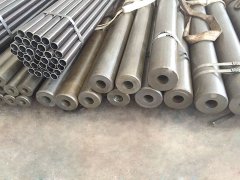
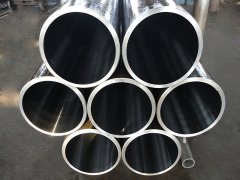
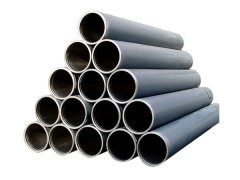
1. The air and atmosphere in the furnace can be controlled more purposefully to keep it in a restorative state, which can effectively prevent decarburization on the surface of cold drawn tubes;
2. Inject or blow an appropriate amount of neutral protective nitrogen directly into the furnace. Nitrogen can dispel the oxidizing atmosphere in certain sections while preventing air from penetrating deep, reducing or avoiding decarbonization problems.